



ETB
Endothelin receptor ETB is a G protein-coupled endothelin receptor that regulates vascular function through endothelial relaxation, endothelin-1 clearance, and context-dependent smooth muscle contraction[1][2]. Mechanistically, endothelial ETB activation promotes nitric oxide, prostacyclin, and endothelium-derived hyperpolarizing factor release, thereby opposing ET-1-driven vasoconstriction[1][2]. In human renal and splanchnic circulation, ETA receptors mediate ET-1-induced vasoconstriction, whereas ETB receptors clear ET-1 and modulate vascular tone by altering plasma ET-1 concentration[1]. Endothelial-cell-specific ETB knockout mice show endothelial dysfunction, decreased endogenous NO release, and increased plasma ET-1, supporting ETB as a tonic vasodilator receptor[3]. In pulmonary disease models, ETB receptor deficiency increases lung endothelin levels, hypoxia-related vascular leak, HIF-1α, and VEGF content[4]. Compared with ETA, which preferentially binds ET-1 and drives vasoconstriction, ETB binds ET-1 and ET-3 and can function as a clearance, endothelial survival, relaxation, or contractile receptor depending on tissue localization[3][5][4]. For experimental applications, ETB-selective agonists such as IRL1620 or sarafotoxin S6c and antagonists such as BQ788 help distinguish endothelial ETB signaling from ETA-dominant vasoconstriction[4][6].
References:
- [1]. Böhm F, et al. ETA receptors mediate vasoconstriction, whereas ETB receptors clear endothelin-1 in the splanchnic and renal circulation of healthy men. Clin Sci (Lond). 2003 Feb;104(2):143-51. [Content Brief]
- [2]. Grant ES, et al. In vitro expression of endothelin-1 (ET-1) and the ETA and ETB ET receptors by the prostatic epithelium and stroma. J Clin Endocrinol Metab. 1997 Feb;82(2):508-13. [Content Brief]
- [3]. Seo B, et al. Both ETA and ETB receptors mediate contraction to endothelin-1 in human blood vessels. Circulation. 1994 Mar;89(3):1203-8. [Content Brief]
- [4]. Seo B, et al. ETA and ETB receptors mediate contraction to endothelin-1 in renal artery of aging SHR. Effects of FR139317 and bosentan. Hypertension. 1995 Apr;25(4 Pt 1):501-6. [Content Brief]
- [5]. Mikhail M, et al. Role of endothelin-1 and its receptors, ETA and ETB , in the survival of human vascular endothelial cells. Can J Physiol Pharmacol. 2017 Oct;95(10):1298-1305. [Content Brief]
- [6]. McDonald DM, et al. Characterization of endothelin A (ETA) and endothelin B (ETB) receptors in cultured bovine retinal pericytes. Invest Ophthalmol Vis Sci. 1995;36:1088-1094.
-
ETB Related Products (42)
Related Products (42)

-
Recombinant Proteins (4)
-
Endothelin 1 (swine, human)
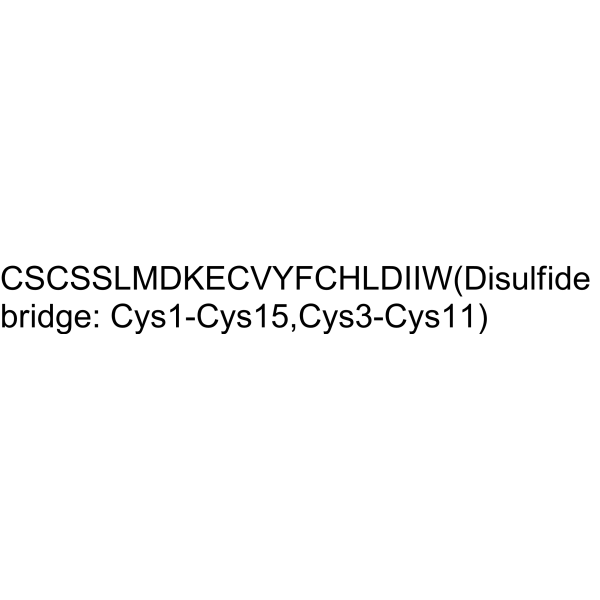 0 ImagesSynonyms: ET-1 (swine, human)Endothelin 1 (swine, human) (ET-1) is a synthetic peptide with the sequence of human and swine Endothelin 1, which is a potent endogenous vasoconstrictor. Endothelin 1 acts through two types of receptors ETA and ETB.
-
Macitentan
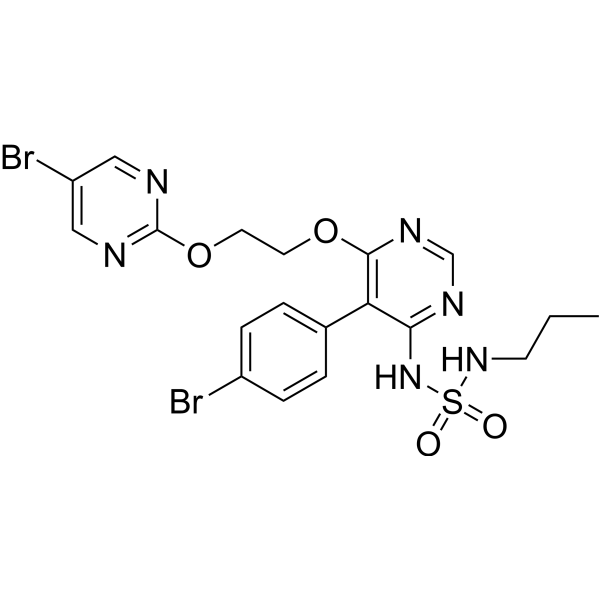 0 ImagesSynonyms: ACT-064992Macitentan (ACT-064992) is an orally active, non-peptide dual ETA and ETB (endothelin receptor) antagonist. Macitentan has the potential for idiopathic pulmonary fibrosis (IPF) and pulmonary arterial hypertension (PAH).
-
BQ-788
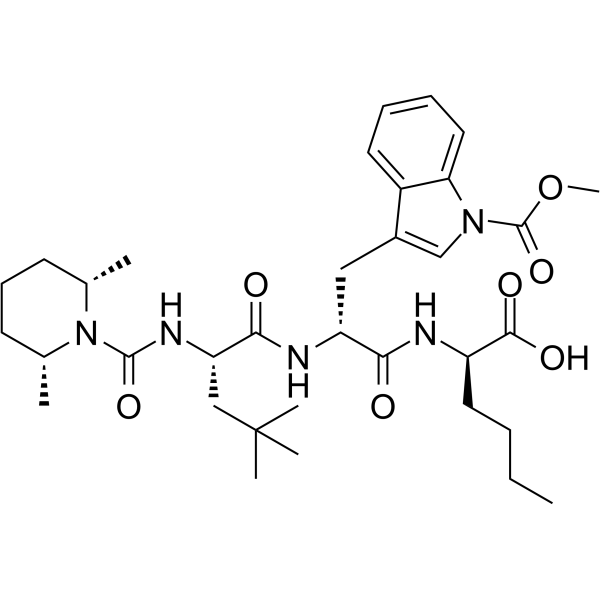 0 ImagesBQ-788 is a potent, selective ETB receptor antagonist with IC50 of 1.2 nM for inhibition of ET-1 binding to human Girardi heart cells, poorly inhibiting the binding to ETA receptors in human neuroblastoma cell line SK-N-MC cells with IC50 of 1300 nM.
-
Aprocitentan
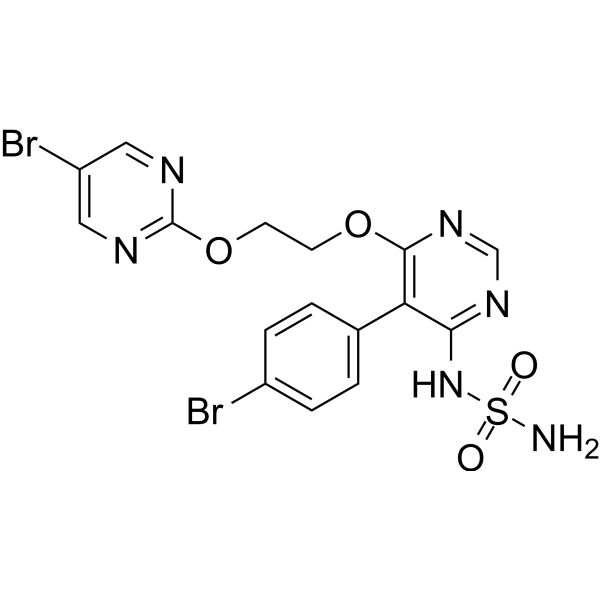 0 ImagesSynonyms: ACT-132577Aprocitentan (ACT-132577) is the major and pharmacologically active metabolite of Macitentan. Aprocitentan is an orally active dual ETA/ETB antagonist with IC50s of 3.4 nM and 987 nM, and pA2 valus of 6.7 and 5.5, respectively. Aprocitentan is an antihypertensive agent.
-
Sitaxsentan sodium
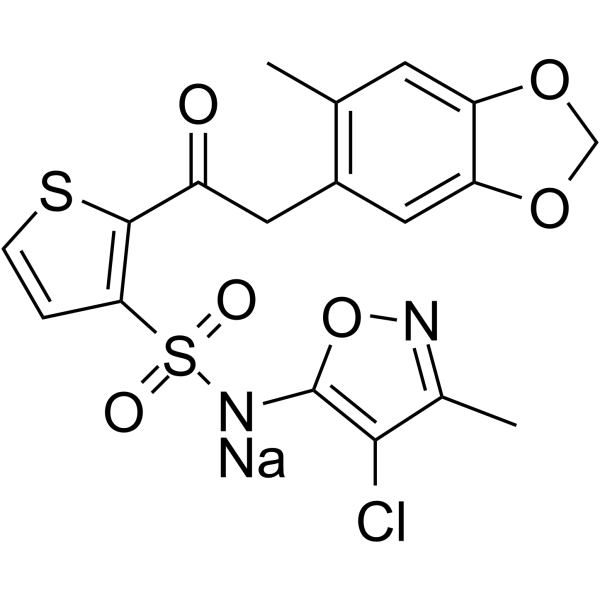 0 ImagesSynonyms: IPI 1040 sodium; TBC11251 sodiumSitaxsentan sodium (IPI 1040 sodium; TBC11251 sodium) is a potent, selective and orally active endothelin A receptor (ETA) antagonist with an IC50 of 1.4 nM and a Ki of 0.43 nM. Sitaxsentan sodium exhibits an IC50 for the ETB receptor of as high as 9800 nM. Sitaxsentan sodium is metabolized by CYP2C9 and CYP3A4, normalizes shunt-induced endothelial abnormalities, restores BMPR signaling, and suppresses pulmonary vascular remodeling and hemodynamic deterioration. Sitaxsentan sodium can be applied in the research of pulmonary arterial hypertension and portopulmonary hypertension.
-
RES-701-3 peptide TFA
 0 ImagesCat. No.: HY-P11751ARES-701-3 peptide TFA is a class II lasso peptide. RES-701-3 peptide TFA can be isolated from the fermentation broth of Streptomyces species. RES-701-3 peptide TFA potently inhibits the binding of ET-1 to ETB, with an IC50 of approximately 5-10 nM. RES-701-3 peptide TFA is applicable to research related to systemic hypertension, myocardial infarction, and myocardial ischemia.
-
PD151242
 0 ImagesCat. No.: HY-136785CAS No.: 155561-67-4PD151242 is a selective competitive antagonist of the endothelin ETA receptor, with KD values of 0.65 nM, 0.64 nM and 1.92 nM for human, rat and porcine receptors, respectively, and a KD value of 104 μM for the human ETβ receptor. When radiolabeled as [125I]-PD151242, PD151242 can be used to visualize and localize renal vascular ETA receptors.
-
HJP 272
 0 ImagesCat. No.: HY-183141CAS No.: 1072467-37-8HJP 272 is a selective endothelin peptide A (ETA) receptor antagonist with an IC50 of 37.01 nM. . HJP 272 can be used for the researches of pulmonary arterial hypertension, fibrosis, renal failure and cancer.
-
BQ-788 sodium salt
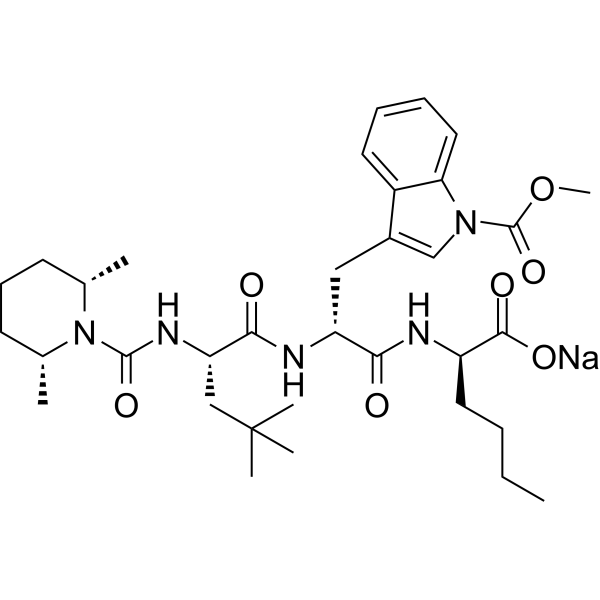 0 ImagesBQ-788 sodium salt is a potent and selective ETB receptor antagonist, inhibiting ET-1 binding to ETB receptors with an IC50 of 1.2 nM in human Girrardi heart cells.
-
Sulfisoxazole
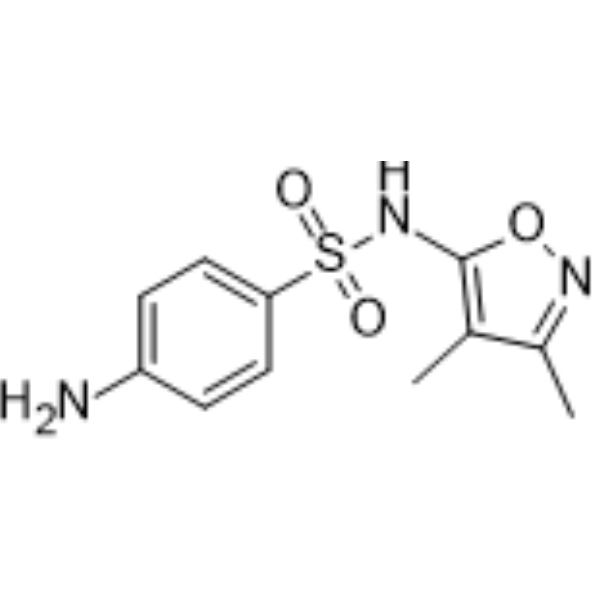 0 ImagesSulfisoxazole (Sulfafurazole) is an orally active endothelin receptor antagonist with IC50 values of 0.60 μM and 22 μM against endothelin receptor A and endothelin receptor B, respectively. Sulfisoxazole is a sulfonamide antibacterial agent with an oxazole substituent. Sulfisoxazole inhibits breast cancer exosome release by targeting endothelin receptor A.
-
IRL-1620
 0 ImagesIRL-1620 is a potent and selective endothelin receptor type B (ETB) agonist with a Ki of 16 pM.
-
IRL-1620 TFA
 0 ImagesCat. No.: HY-16465APurity: 98.73%IRL-1620 (TFA) is a potent and selective endothelin receptor type B (ETB) agonist with a Ki of 16 pM.
-
Delphinidin 3-rutinoside chloride
 0 ImagesSynonyms: Delphinidin 3-O-rutinoside chlorideDelphinidin 3-rutinoside chloride is an anthocyanin component. Delphinidin 3-rutinoside chloride is isolable from the fruits of blackcurrant Ribes nigrum L. Delphinidin 3-rutinoside chloride activates the ETB receptor and stimulates the NO/cGMP pathway. Delphinidin 3-rutinoside chloride increases cyclic guanosine monophosphate production and reduces the phosphorylation level of Myosin regulatory light chain. Delphinidin 3-rutinoside chloride stimulates GLP-1 secretion. It significantly induces relaxation of bovine ciliary muscle strips contracted by ET-1 and inhibits ET-1-induced contraction of bovine ciliary muscle strips. Delphinidin 3-rutinoside chloride is applicable to research related to type 2 diabetes.
-
Tezosentan
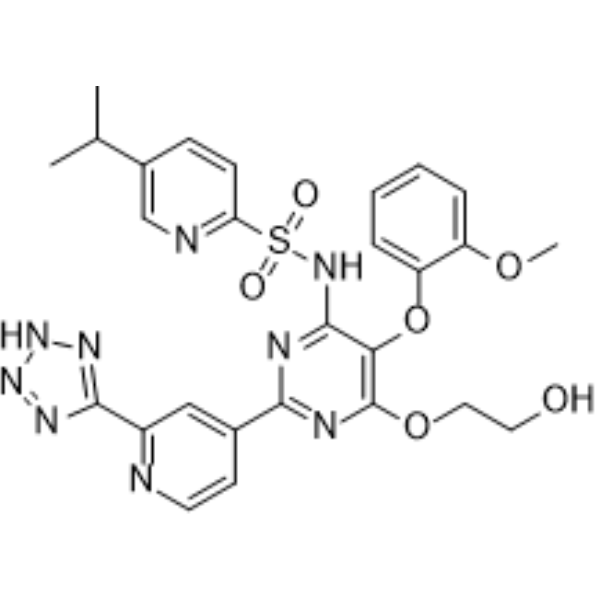 0 ImagesSynonyms: RO 610612Tezosentan (RO 610612) is an endothelin (ET) receptor antagonist, with pA2s of 9.5, 7.7 for ETA and ETB receptors, respectively.
-
IRL 2500
 0 ImagesIRL 2500 is a potent Endothelin receptor antagonist. IRL 2500 shows IC50 values of 1.3 and 94 nM for ETB and ETA receptors, respectively. IRL 2500 inhibits ETB receptor-mediated blood pressure increase and renal vascular resistance in rats in vivo.
-
A-192621
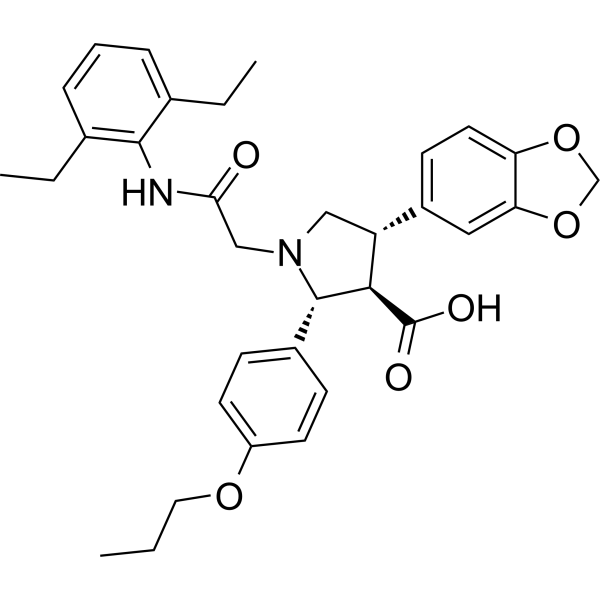 0 ImagesA-192621, a chemical probe, is a potent, nonpeptide, orally active and selective endothelin B (ETB) receptor antagonist with an IC50 of 4.5 nM and a Ki of 8.8 nM. The selectivity of A-192621 is 636-fold higher than ETA (IC50 of 4280 nM and Ki of 5600 nM). A-192621 promotes apoptosis in PASMCs. A-192621 alos causes elevation of arterial blood pressure and an elevation in the plasma ET-1 level.
-
Macitentan-d4
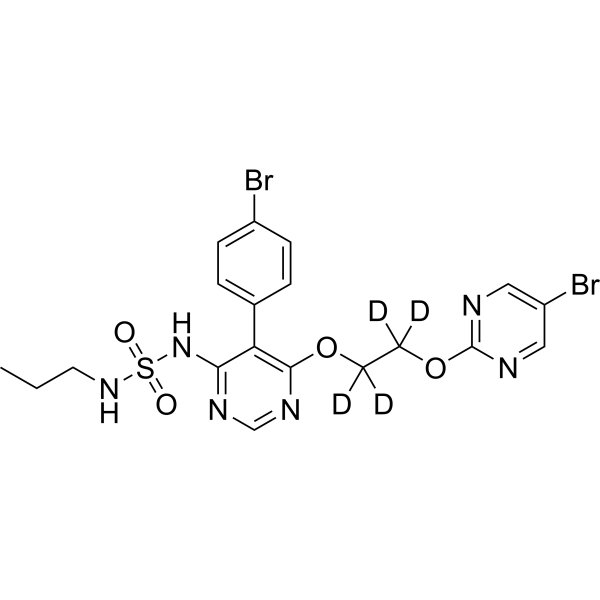 0 ImagesSynonyms: ACT-064992-d4Macitentan-d4 is a deuterium labeled Sulfamethoxazole. Macitentan is an orally active, non-peptide dual ETA and ETB (endothelin) receptor antagonist. Macitentan has the potential for idiopathic pulmonary fibrosis (IPF) and pulmonary arterial hypertension (PAH).
-
Aprocitentan-d4
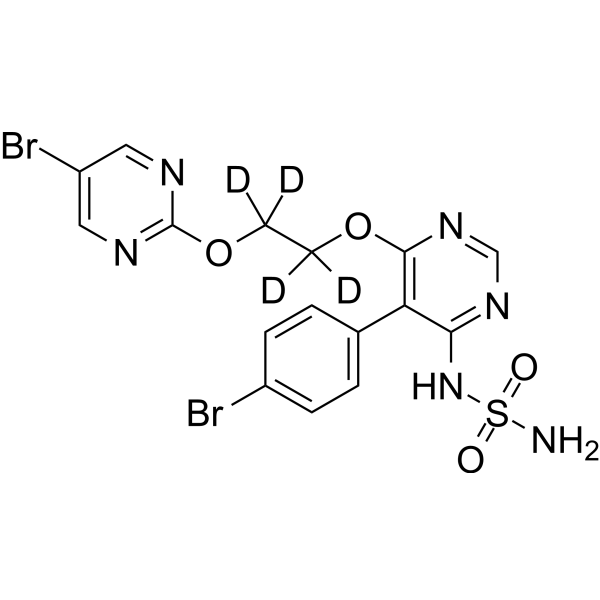 0 ImagesSynonyms: ACT-132577-d4Aprocitentan-d4 is a deuterium labeled Aprocitentan. Aprocitentan is a major and pharmacologically active metabolite of Macitentan. Aprocitentan is an orally active dual ETA/ETB antagonist with IC50s of 3.4 nM and 987 nM, and pA2 valus of 6.7 and 5.5, respectively. Aprocitentan is an antihypertensive agent.
-
Schisantherin D
 0 ImagesSchisantherin D is a lignan. Schisantherin D can be isolated from Kadsura interior. Schisantherin D downregulates the expression of ETBR and inhibits the secretion of ECM and ET-1. Schisantherin D alleviates EtOH + ET-1-induced hepatocyte cytotoxicity. Schisantherin D potently inhibits HIV replication in cells.
-
Sarafotoxin S6a
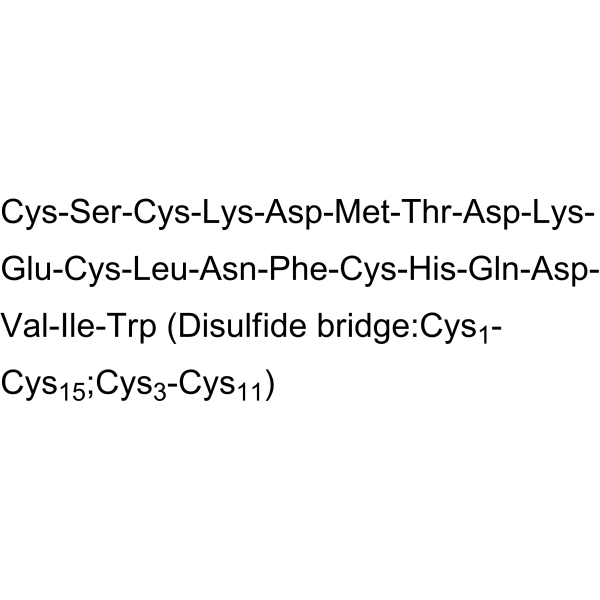 0 ImagesSarafotoxin S6a, a sarafotoxin analogue, is a endothelin receptor agonist and has an ETA/ETB selectivity profile similar to that of Endothelin-3 (HY-P0204). Sarafotoxin S6a elicits the pig coronary artery with an EC50 value of 7.5 nM.




